
Descripción
Heavy Duty Steel Grating
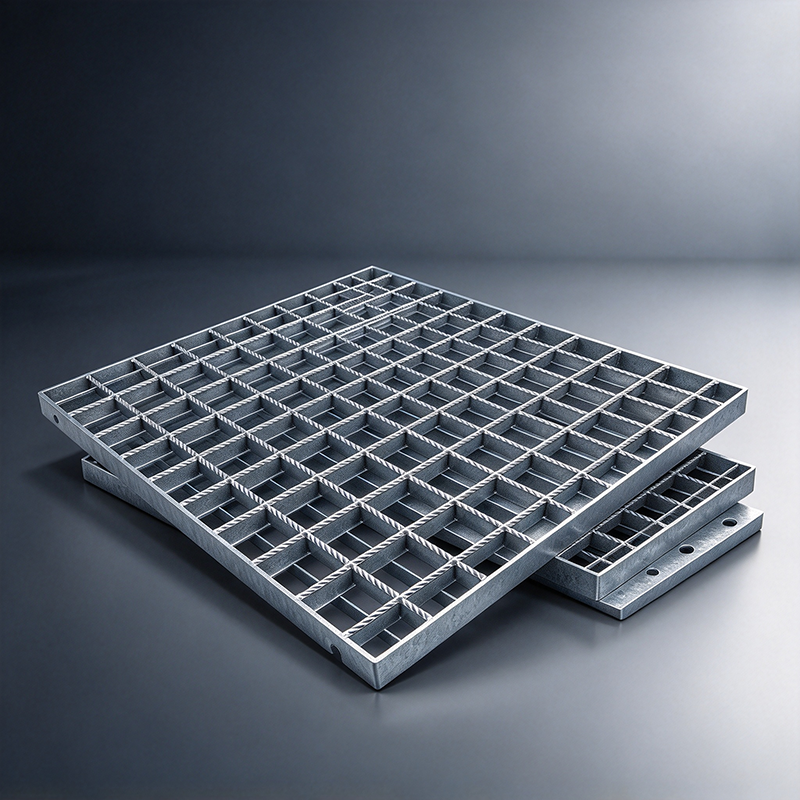
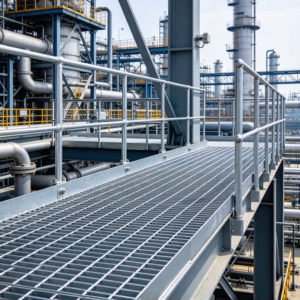
Heavy duty steel grating uses deeper and thicker bearing bars than standard walkway panels. The extra depth resists bending, and the thicker cross section spreads the load across more metal. Heavy duty does not describe a different product family. It simply means the panel sits at the heavier end of the same specification.
How Heavy Duty Steel Grating Is Built
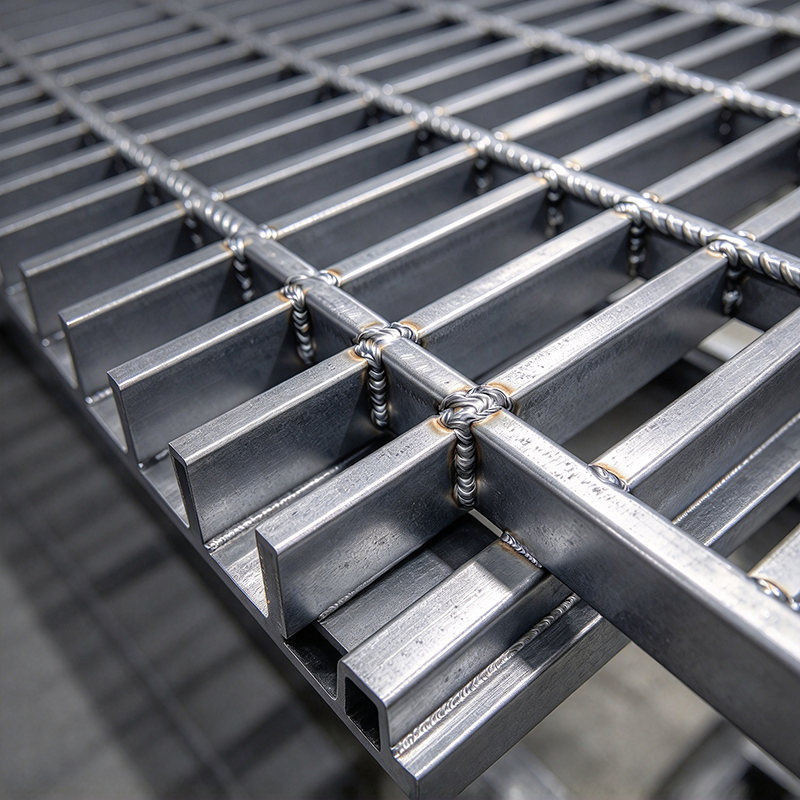
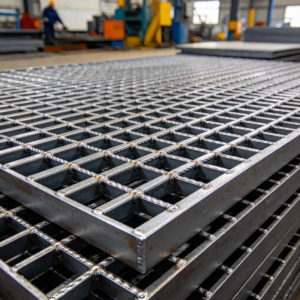
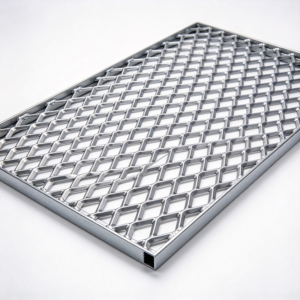
Heavy duty panels follow the same build as lighter ones. The fabricator sets bearing bars at a fixed pitch, then joins cross bars that hold them in line. Welds at every crossing point keep the panel rigid when rolling loads pass across it. What changes at the heavy end is bar depth, bar thickness, and sometimes a closer cross bar pitch. Confirm the combination with your supplier, because the options interact.
Where Heavy Duty Steel Grating Differs From Standard Panels
A standard walking panel handles foot traffic and light carts. A heavy duty panel handles concentrated wheel loads, point loads from dropped material, and the sideways forces that come with turning vehicles. Standard panels weigh less and cost less. Heavy duty panels cost more per square meter, but they avoid the deflection, cracked welds, and downtime that a failed bay brings.
Load and Span for Grating Panels
Load and span work together, and neither figure means much alone. A panel that carries a forklift over a short span may flex too much over a longer one. Bending grows quickly as the supports move apart, so always ask for the load figure at your span rather than a general rating.
Span and Support Rules
Every panel needs support at each end. Any joint between panels should land on a support rather than hang in mid air. Run the bearing bars across the shortest distance, because that is how the panel carries best. Keep the supports level, since an uneven seat spreads load unevenly across the bars.
Wheel Loads Versus Foot Traffic
Wheels concentrate far more force than feet, so one panel has two very different ratings. Tell your supplier which traffic to design for. A yard with reach stackers needs a different panel from a mezzanine that only sees people, and mixing the two causes the most common specification error.
Where Heavy Duty Steel Grating Works
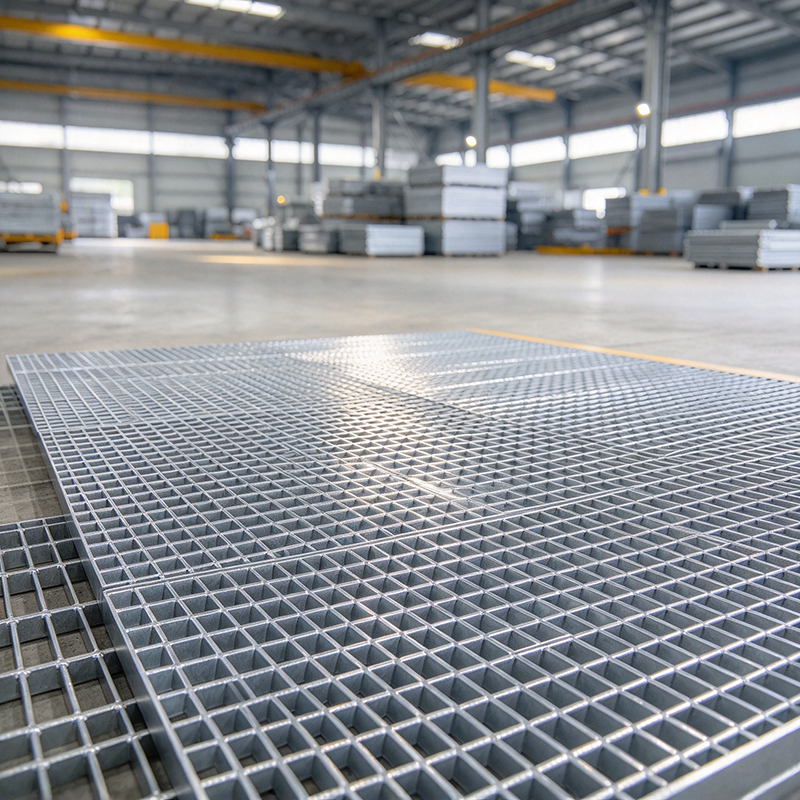
Heavy duty panels pay off wherever wheels, impact, or point loads are part of daily service. The sections below cover the sites that call for them most often.
Ports and Container Yards
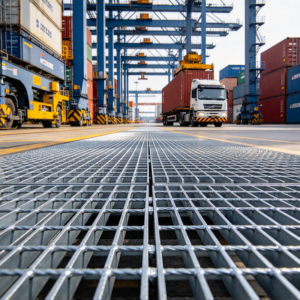
Container yards and port aprons carry some of the heaviest wheel loads in industry. Heavy duty steel grating serves those areas where drainage and grip matter as much as strength. Confirm the coating for salt exposure, and ask for the load rating that matches the handling equipment on site.
Loading Docks and Truck Yards
Truck yards and loading docks see repeated braking and turning. Those sideways forces test both the fixing and the welds. Specify serrated bars if rain or oil reaches the surface, and check that every panel sits flat on its supports.
Plants, Mines, and Process Floors
Steel plants, mines, and process floors combine heat, impact, and debris. A heavy duty panel tolerates dropped material better than a light one. Keep the mesh open so fines fall through rather than building up under foot.
Finishes and Fixing for Heavy Duty Work
Surface Protection Choices
Heavy duty panels usually go outdoors or into wet plants, so most buyers specify hot dip galvanizing. The zinc covers the bars, the joints, and the cut edges, and it keeps working after minor damage. Painted panels suit dry interiors, and stainless steel suits the most aggressive sites.
Fixing Methods Compared
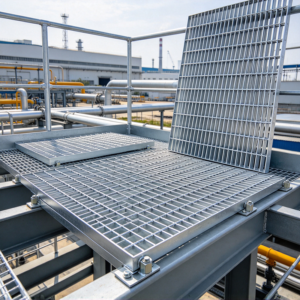
Rolling loads try to shift panels sideways and lift them at the trailing edge. The table below compares the common fixing options so you can match the fixing to the traffic.
| Fixing method | How it works | Best for | Trade off |
| Bolted saddle clips | Clips bolt the panel to the support without heat | Most floors; keeps galvanizing intact | Needs periodic retightening |
| Welded lugs | Short lugs weld the panel to the steel support | Heavy vibration, high uplift | Burns the coating, so it needs repair |
| Bolted hold down | A through bolt and plate clamp the bar down | Removable bays and access covers | Takes longer to release on site |
Common Questions About Heavy Duty Steel Grating
When does heavy duty steel grating make sense?
Choose it when wheels, point loads, or impact are part of daily service. If only people and light carts use the floor, a standard panel usually costs less and does the job.
Can heavy duty panels be cut on site?
Sí, but treat the cut edge and band it where the panel meets a wall or a curb. An open end at the edge of a bay is where corrosion and snagging both start.
Do heavy duty panels need special fixings?
They often do. Rolling traffic pushes panels sideways, so the fixing matters as much as the panel. Ask for the fixing your supplier rates for your traffic rather than reusing a light duty detail.
How much does the finish matter outdoors?
It matters a lot. Heavy duty panels often sit in ports, yards, and wet plants, so galvanizing pays for itself against repeated repainting. Match the coating to the exposure and to your project standard.
Reseñas
Aún no hay reseñas.