
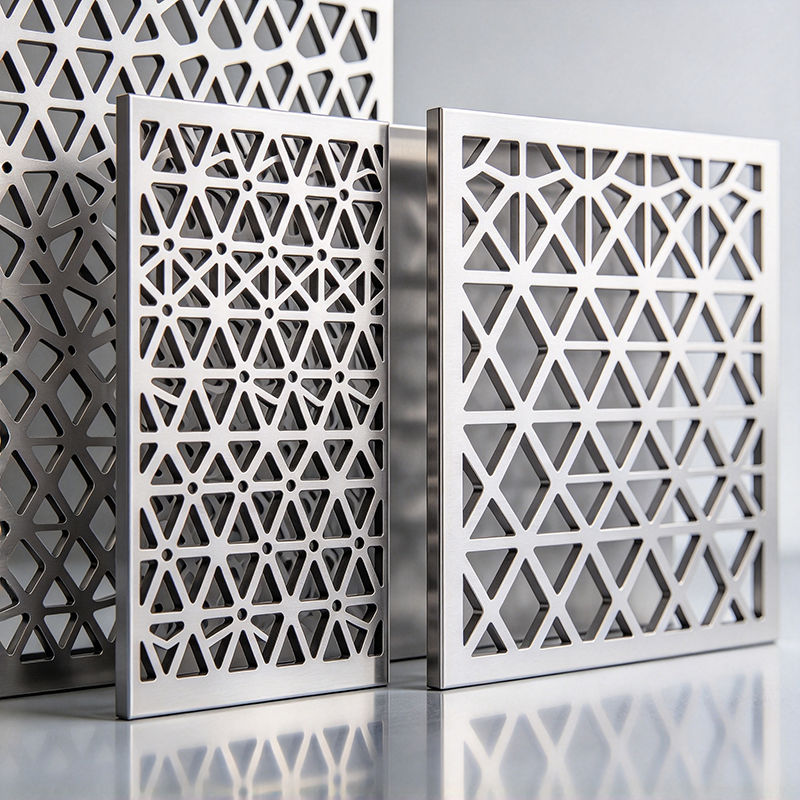
Description
What Custom Laser Cut Metal Panels Are
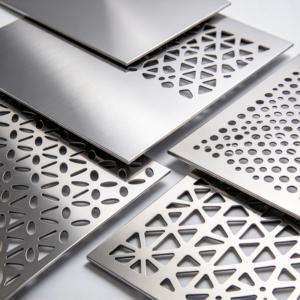
Custom laser cut metal panels start as a flat sheet of steel, aluminum, or stainless steel. A fiber or CO2 laser follows a digital pattern and cuts the openings with a tolerance measured in fractions of a millimeter. Because the pattern lives in a file, you can repeat it across dozens of panels or change it for one special section without retooling. The drawing limits the design, not a fixed die.
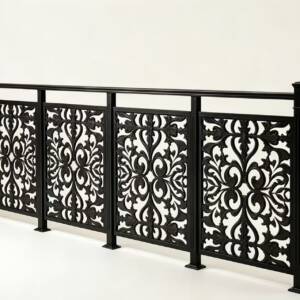
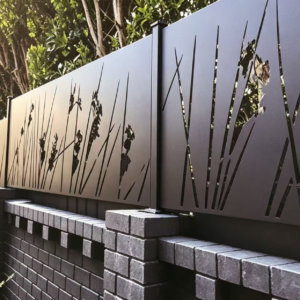
The result is a panel that carries a brand mark, a nature motif, a geometric screen, or a plain functional gap pattern. You choose the look, the material, and the size. The shop cuts to your file and ships a part that fits the project.
Material Options for Laser Cut Metal Panels
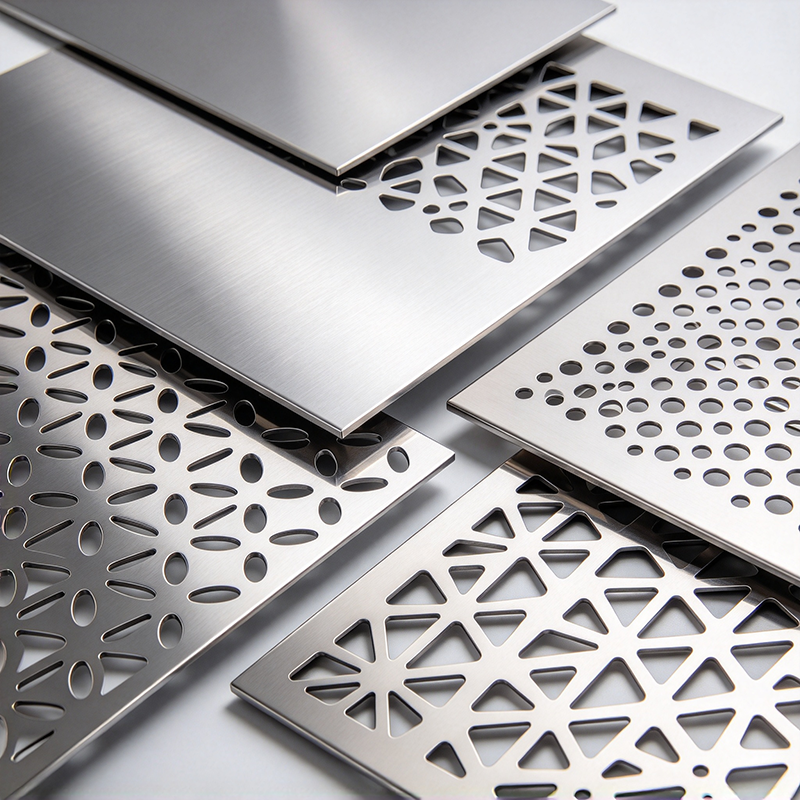
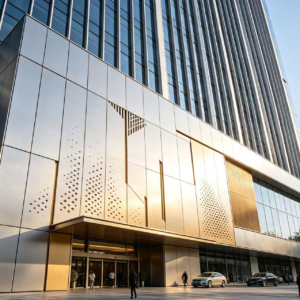
Three metals dominate this category. Carbon steel is the economical default for painted indoor and many outdoor uses. Aluminum is lighter, naturally corrosion resistant, and easy to powder coat, which makes it the common pick for facade screens. Stainless steel costs more but holds up in coastal and high humidity sites with little maintenance.
The table below compares the three common metals used for custom laser cut metal panels.
| Material | Relative weight | Corrosion resistance | Best use cases |
| Carbon steel | Heaviest | Low until coated; needs paint or powder | Painted indoor features, budget outdoor runs |
| Aluminum | Lightest | High from its natural oxide layer | Exterior gates, facade screens, coastal-friendly |
| Stainless steel | Mid to heavy | Very high, low maintenance | Coastal sites, high humidity, premium fronts |
Picking the Right Gauge and Thickness
Laser Cut Metal Panels rely on gauge to define panel rigidity and overall material cost. Thin sheet around 1.5 mm delivers a delicate aesthetic and excellent light screening effect. However, wide spans risk oil canning and bowing under load, limiting where this thinner material can be applied. Thicker stock ranging from 4 to 6 mm maintains flat surfaces and creates a solid, premium visual presence, making it ideal for statement feature walls.
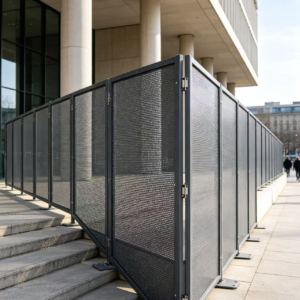
Select thickness for Laser Cut Metal Panels carefully to match project span and local wind load requirements. Smaller screened elements may utilise lighter gauges, but full-height boundary fences installed at exposed, windy locations demand heavier sheet gauges or reinforced framed systems. Laser cut patterns remove base material and reduce structural stiffness.
Coatings and Finishes for Outdoor Use
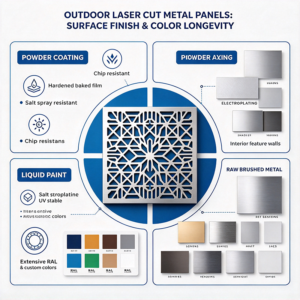
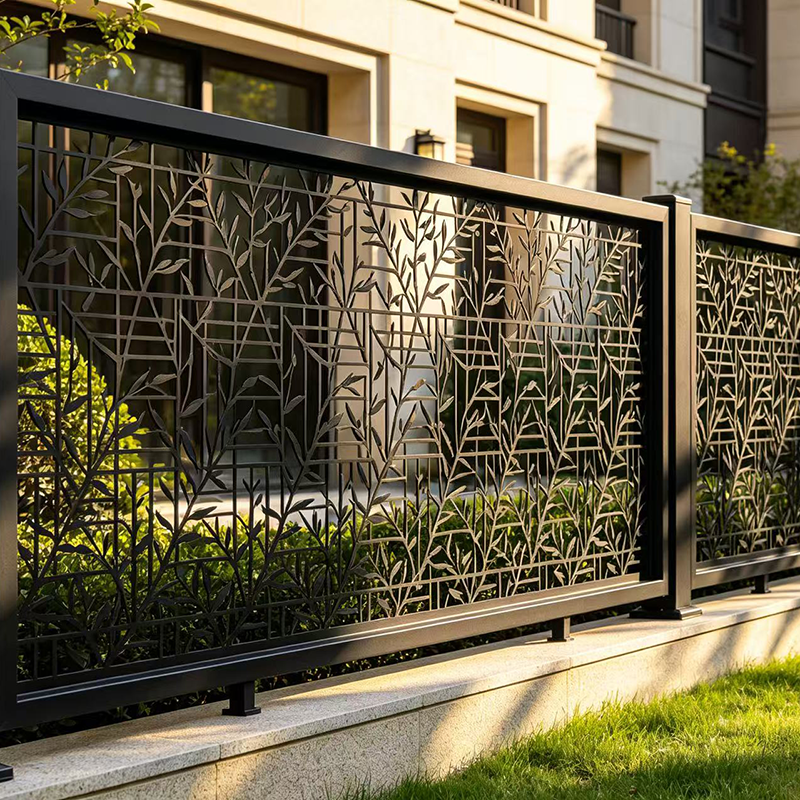
For outdoor Laser Cut Metal Panels, the surface finish directly determines colour longevity. Powder coating creates a hardened baked film that outperforms most liquid paints against chipping, airborne salt and UV degradation. This coating method supports an extensive colour palette, covering standard RAL colours and bespoke custom shades to match architectural design requirements. Electroplating and anodizing deliver distinct visual effects for targeted aesthetics and operating environments, while raw brushed metal finishes serve interior feature wall applications.
Specify coating systems according to project site conditions. Harsh coastal zones and locations with intense, prolonged sunlight require premium exterior-grade coatings with verified minimum film thickness. These high-performance coatings minimise fading, corrosion and surface degradation over decades of exposure. Always align coating selection with the local climate to preserve the panel’s appearance and structural integrity.
Pattern, Privacy, and Mounting for Laser Cut Panels
How Pattern Density Shapes Privacy and Light
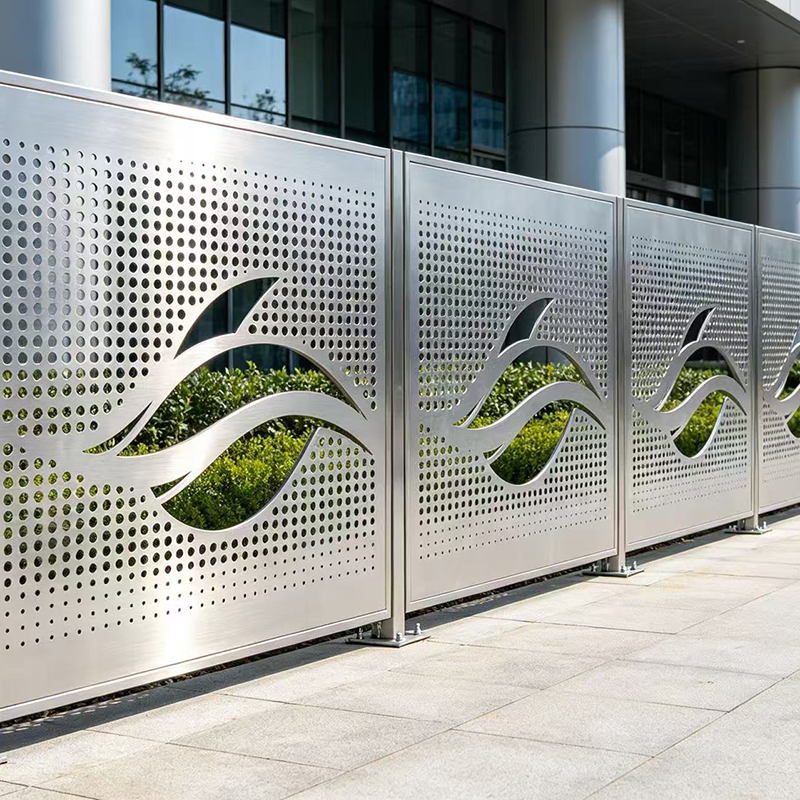
The cut pattern is where function meets design. A dense pattern with small openings gives strong privacy and a solid shadow, but it blocks more light and air. An open pattern with larger gaps keeps a space bright and breezy while still breaking the sightline. Most projects land between the two.
Think in terms of the job the panel must do. You can even mix patterns across a project: solid and private at the front, open and airy toward the yard.
Mounting and Framing Your Laser Cut Panels
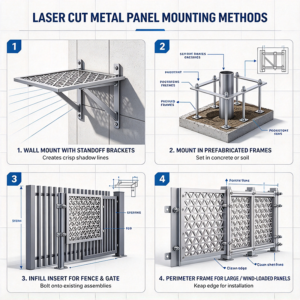
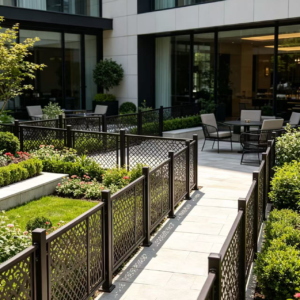
How a panel mounts changes how it performs and reads. Install panels directly to walls with standoff brackets to create crisp shadow lines. Mount them inside prefabricated frames set in concrete or soil. Bolt panels onto existing fence or gate assemblies to use as infill inserts.
Framing matters for large or wind loaded panels. A perimeter frame keeps a thin sheet flat and gives the installer a clean edge to work with.
Reviews
There are no reviews yet.