
Descrição
What Facade Wall Panels Do For A Commercial Building
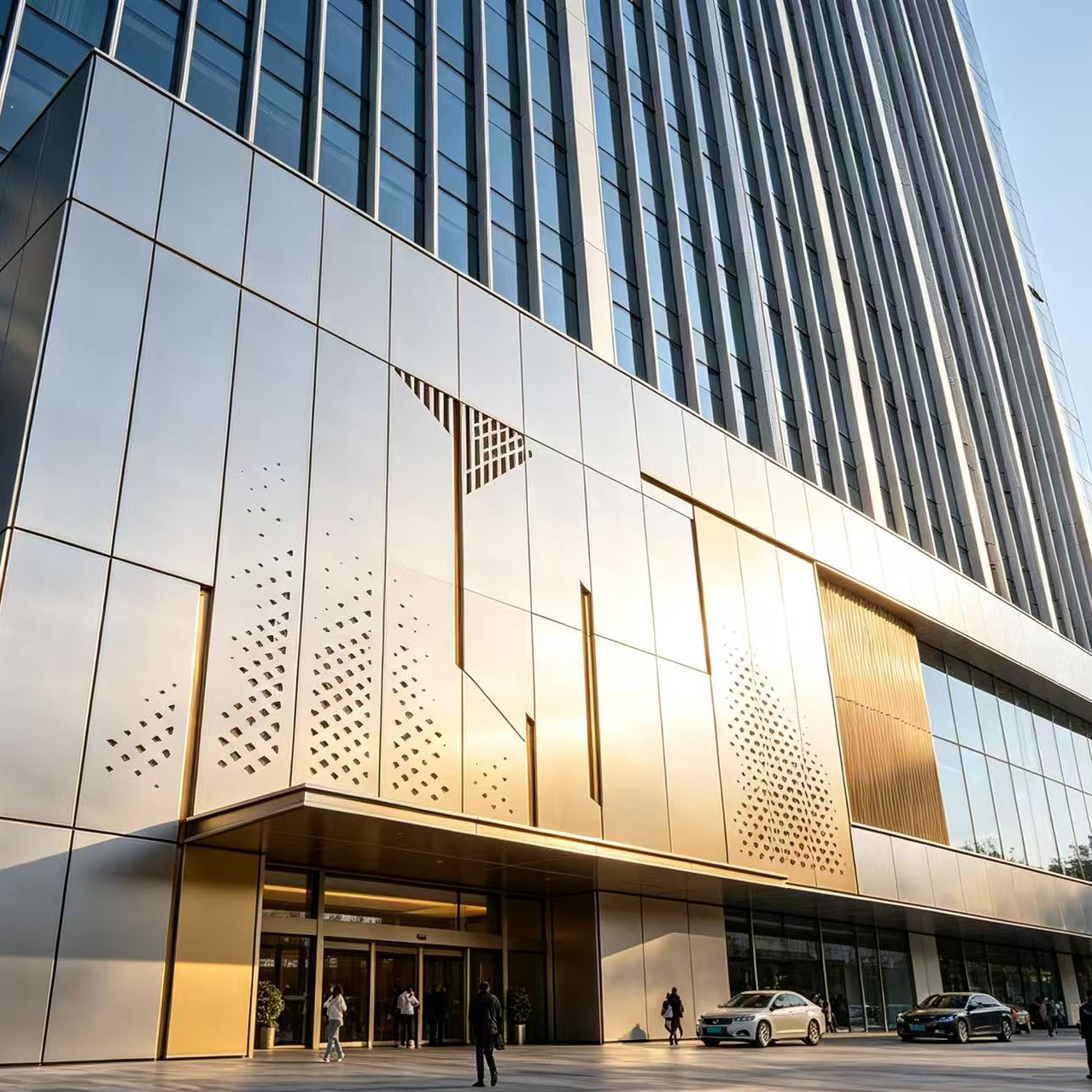
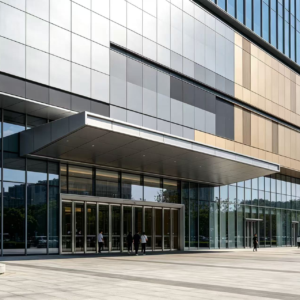
A commercial facade has two jobs: keep weather out and look right doing it. Facade Wall Panels handle both because they form a non-load-bearing skin that wraps the structure. The frame carries the weight; the panel carries the look and the barrier.
The payoff is practical. A good panel line resists corrosion, holds its color for years, and needs little upkeep. That combination is why offices, hospitals, and retail blocks keep choosing it. Most facade wall panels also join with glazing and ventilation parts, so the whole envelope reads as one system.
Main Production Processes
A panel starts as a flat metal sheet and leaves the plant as finished cladding with the color set. Three fabrication routes shape most of what you see, and a coating step protects the face for the years outside. Most panels start from aluminum, stainless steel, or composite sheet. Composite boards sandwich a core between metal skins for flatness at low weight, and the grade sets how thin the wall can go and how it ages in local weather.
 |
 |
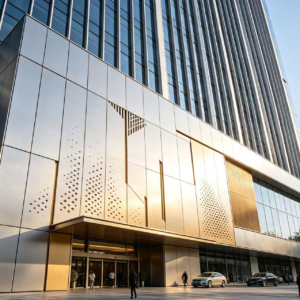 |
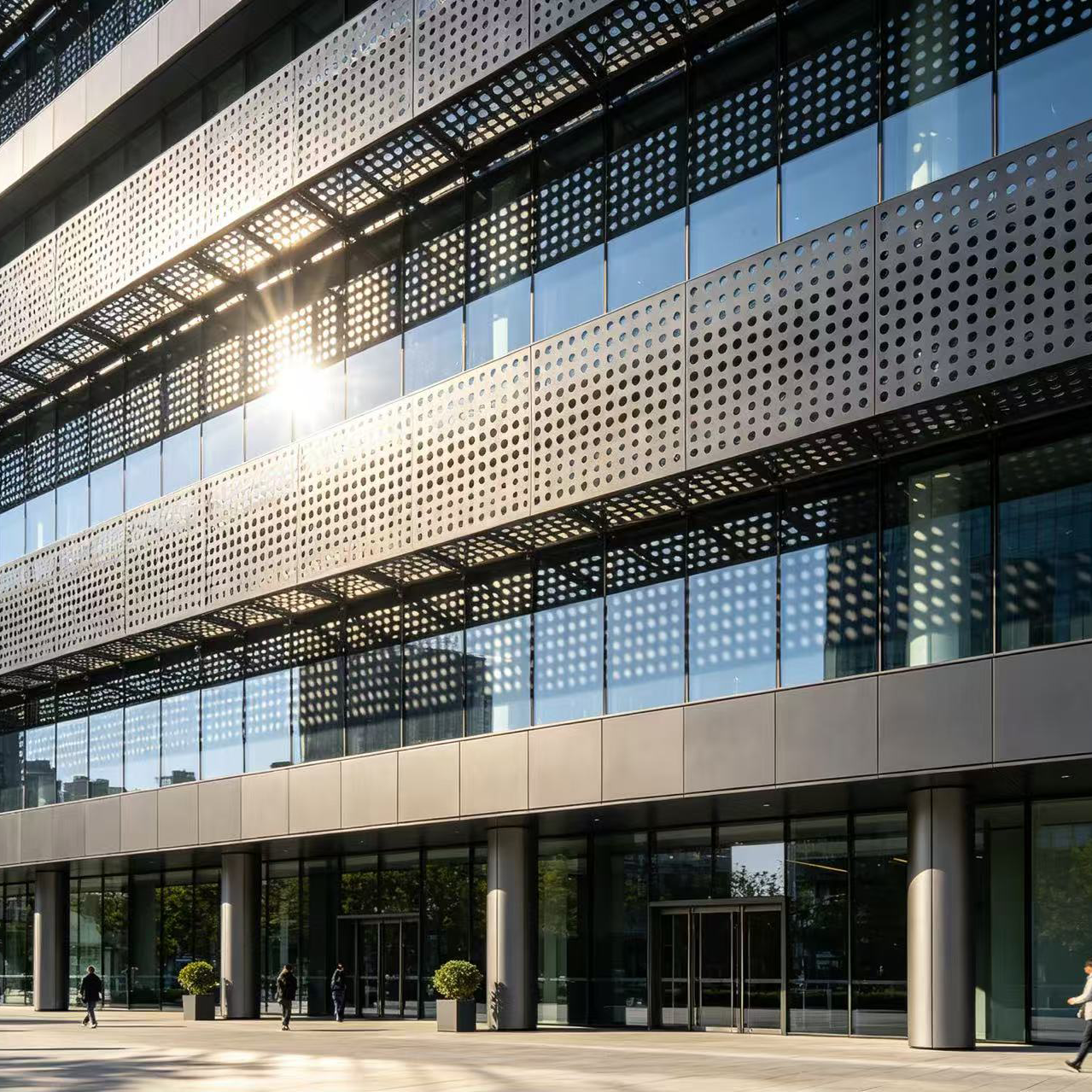
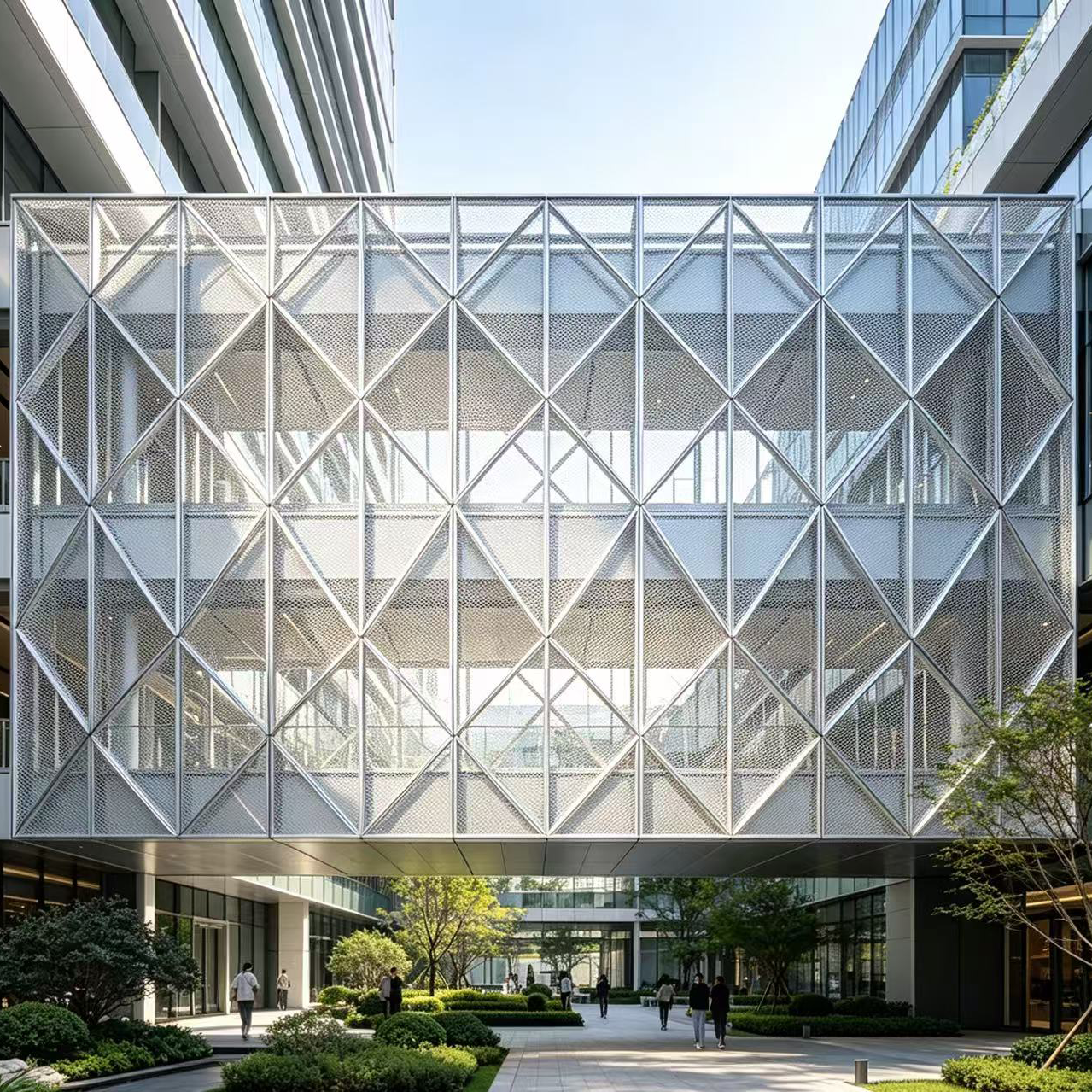
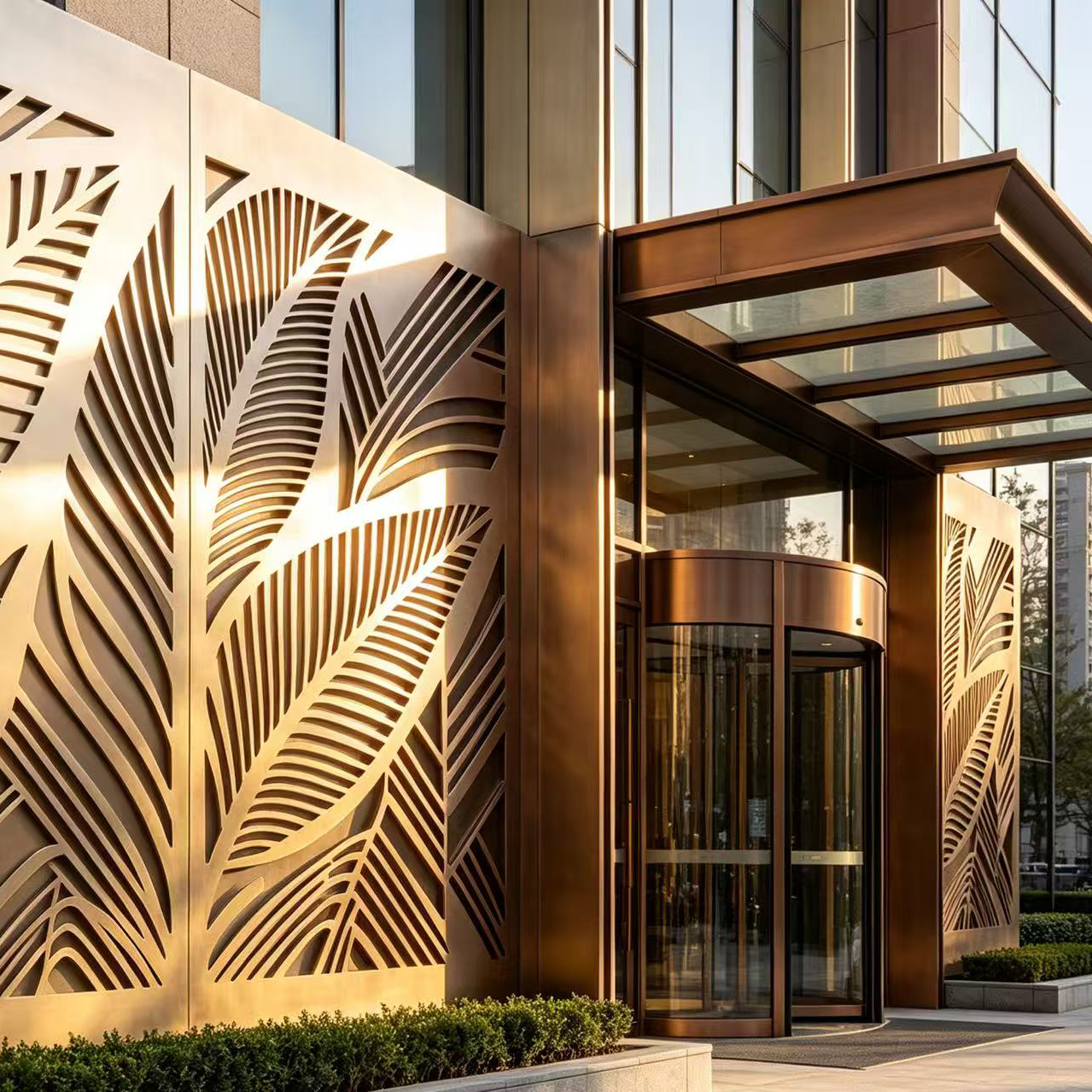
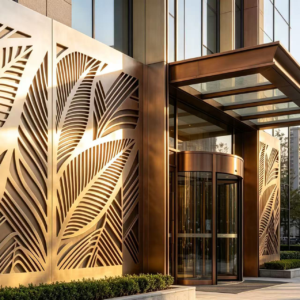
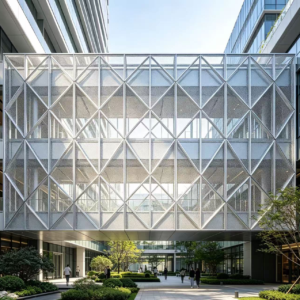
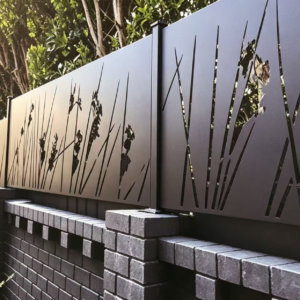
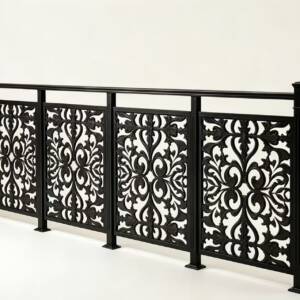
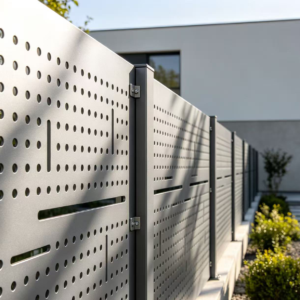
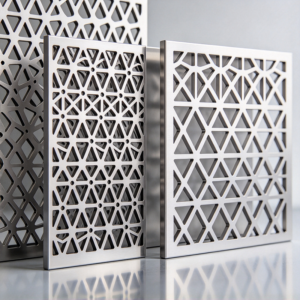
| Laser Cutting: A focused beam cuts complex contours, logos, and fine patterns straight from the sheet. The edge stays clean, so custom artwork and feature walls come out sharp without extra finishing. This route suits one-off designs where detail matters more than volume. | Expanded metal: Expanded metal takes a different path: the sheet is slit and stretched into an open mesh that wastes no offcut. The result is light yet rigid, which fits sunscreen and ventilation panels. | Perforated panels: Perforated panels punch precise holes in set grids. Specifiers use them for sunshades, screens, and acoustic walls where light, airflow, and sound all matter at once. |
Features of Facade Wall Panels
- Light Weight Cuts Structural Load and Erection Time
Aluminum and thin-gauge steel weigh far less than solid masonry. Lower dead load can shrink the supporting frame and speed erection. Because a small crew sets large areas fast. Prefabricating whole wall sections off site tightens the fit. Most systems fix to a bracket and rail grid. Then clip or screw on, so a small crew covers large areas in days. Lighter panels also cut freight cost, and both metals recycle well at end of life.
- Corrosion Resistance and Long Service Life
Aluminum builds a self-protecting layer that stops rust without paint. Stainless and coated steels hold up in coastal and industrial air. With the right metal and coating, the face stays sound long after the building opens. Zinc and corten steel create a weathered, living finish for projects. Copper changes over time. It develops a warm tone and turns green with patina.
- Thermal and Acoustic Performance of Facade Wall Panels
Paired with mineral wool or rigid insulation, the panel lifts the wall’s R value and steadies indoor temperature through the year. Perforation adds sound control while the face still reads solid from a distance. The energy case is strongest when you detail cladding, insulation, and glazing as one.
Application Scenarios
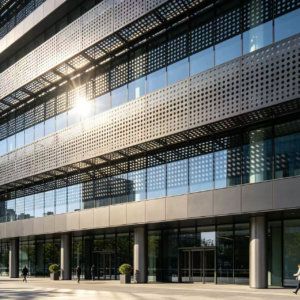
- Exterior Skins: Facades, Soffits, Canopies, and Parapets
Front walls are the obvious use, but soffits, canopies, parapets, and copings take the same panel for a continuous read. Slab-edge covers, spandrels, and screen walls dress garages and plant areas, and specifying these early keeps the joints tidy. The same fixings and rail grid carry both flat and profiled panels. So a building can mix faces without calling a second trade.
- Curtain Walls, Sunshades, and Interior Surfaces
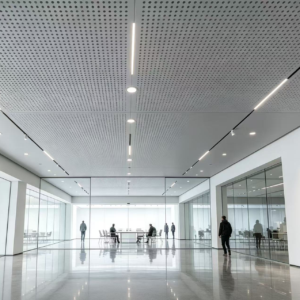
Panels line curtain-wall grids and form fixed sunshades, then join glazing and ventilation parts so the envelope reads as one system. Inside, the same material covers ceilings, columns, and feature walls, carrying the outside language through to lobbies and cores.
- Interior Use of Facade Wall Panels
Teams often overlook interior applications. The panel brings the building’s exterior character into reception areas and circulation cores, and it stands up to wear better than many decorative finishes. Matching inside and out also simplifies the spec and the order.
Customization Options for Facade Wall Panels
- Sizes, Gauges, and Hole Patterns Built to Spec
Width, thickness, fold profile, and hole pitch are all open to spec. A mock-up panel proves true color, reflectivity, and hole scale before the full order cuts, which avoids a costly mismatch later. Plan gates and service cuts up front so access stays simple. Our team reviews the drawing and advises on gauge and coating before production, which heads off tolerance problems on site.
- Color Matching: 91 Stock Shades Plus RAL Custom
One line carries 91 stock colors, and most suppliers match RAL or a custom shade on request. For coastal or high-sun sites, step up to PVDF and confirm the film thickness with your supplier, since these vary by spec and market. We pack panels for sea freight with edge protection and manage delivery to site worldwide, so direct sourcing keeps both lead time and price in check.
- Finishes and Coatings Chosen for Facade Wall Panels
PVDF leads on exterior faces that see years of sun because it resists UV and color fade. Powder coating bakes a tough film at lower cost and opens a wider color range. Pick the coating to the exposure, not the catalog.
Installation and maintenance
Most systems fix to a bracket and rail grid, then clip or screw the panels on. Because facade wall panels are light, a small crew sets large areas fast. Prefabricating whole wall sections off site tightens tolerances and shortens the on-site schedule.
Upkeep stays light. Wash with water and a soft brush once or twice a year, and check seals after storms. Damaged panels swap out one at a time, so repair cost stays low over the building’s life.
Avaliações
Ainda não há comentários.