
Description
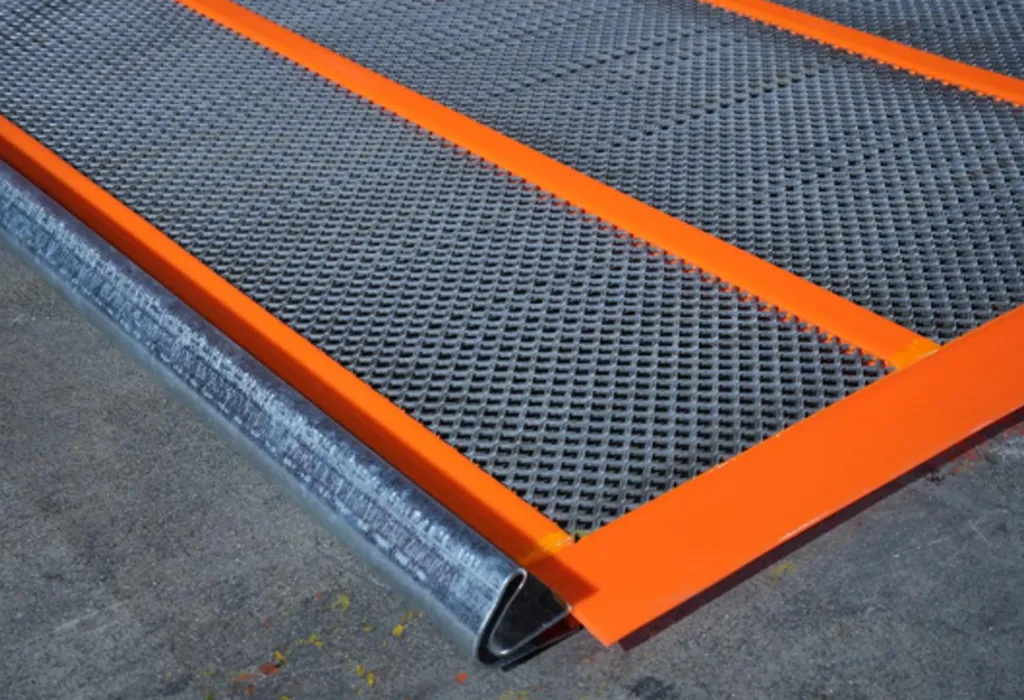
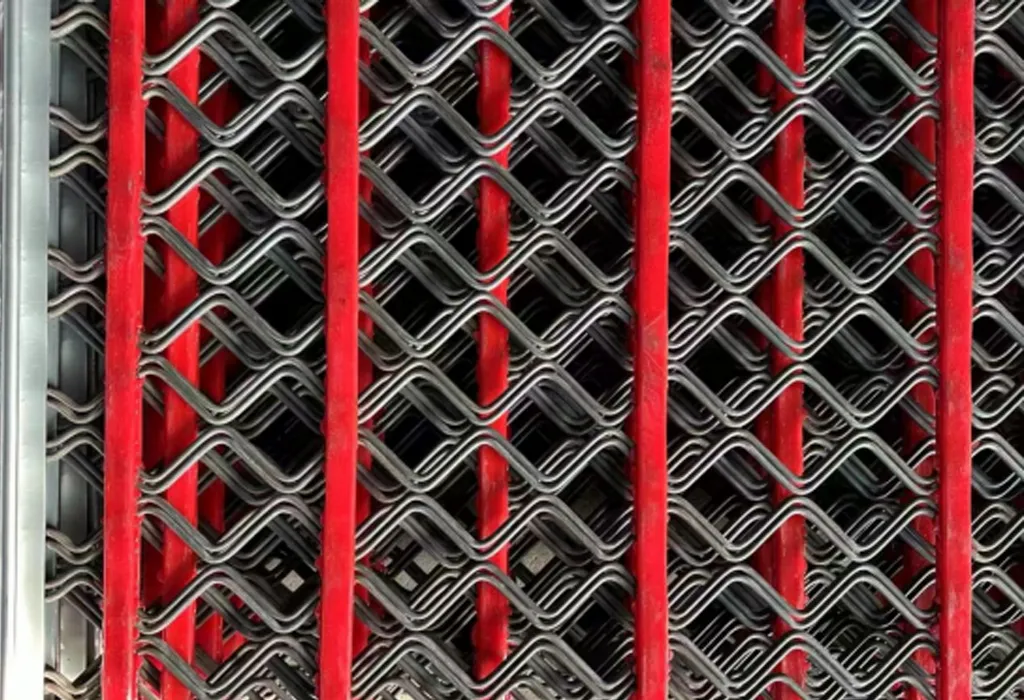
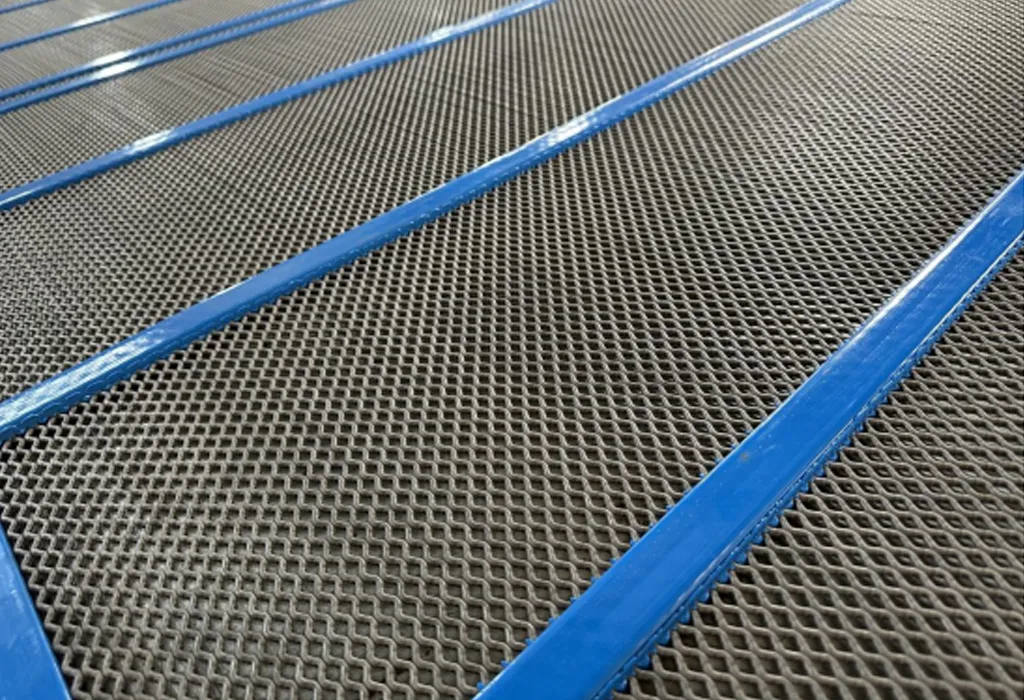
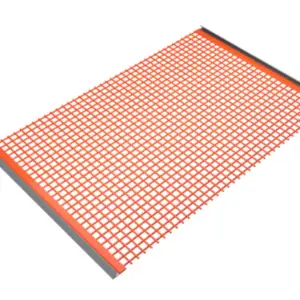
As a direct manufacturer, ABX Metal produces self-cleaning screen panels for vibrating screens handling sticky, wet, or near-size materials. Our factory uses PU strip bonding and wire cluster bonding to create independent wire structures. These panels actively prevent aperture blinding and material clogging.
Why Choose Our Self-Cleaning Screen Panels?
Active Anti-Clogging Technology
Our self-cleaning screen panels use independent steel wires bonded by polyurethane strips. Each wire vibrates freely at its own frequency. This independent movement dislodges trapped particles from the apertures. The result is consistent screening efficiency even with sticky, wet, or near-size materials that would blind traditional woven mesh.
Extended Service Life in Demanding Conditions
The PU strip bonding absorbs vibration energy and reduces metal-to-metal wear. Our self-cleaning screen panels typically outlast standard woven wire mesh by 2-3 times in high-clogging applications. Less downtime for screen changes means higher plant productivity. Our factory uses premium-grade polyurethane compounds for durable bonding strength.
Key Features of Self-Cleaning Screen Panels
- Independent Wire Vibration — Each wire vibrates freely, creating a self-cleaning action that ejects trapped particles from the openings.
- PU Strip Bonding Technology — Polyurethane strips bond the wires without restricting their independent movement. This absorbs impact energy and extends panel life.
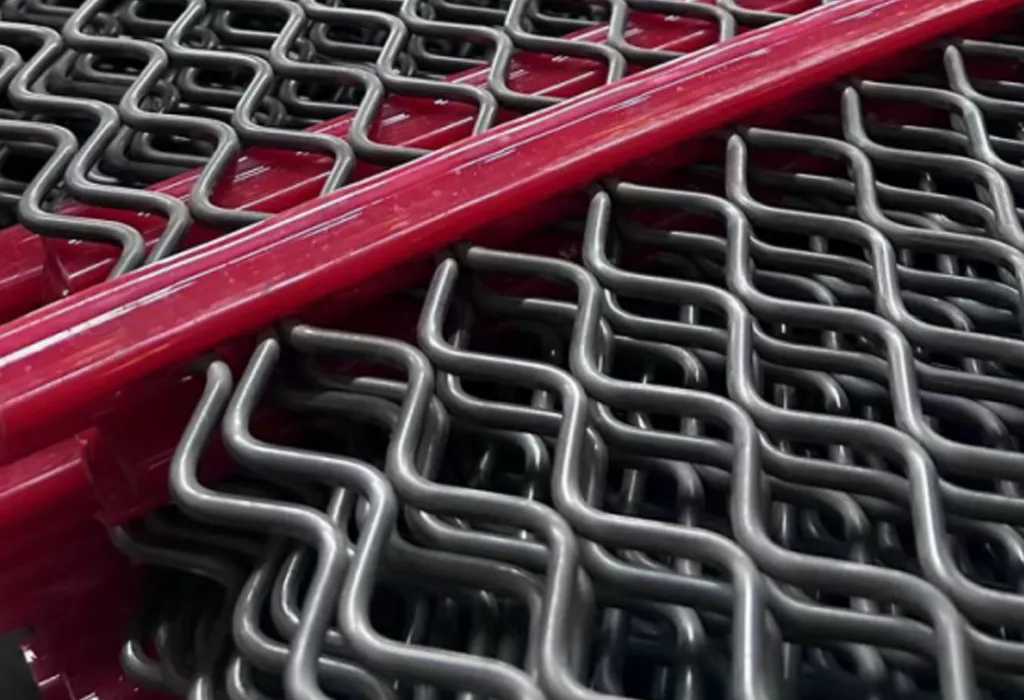
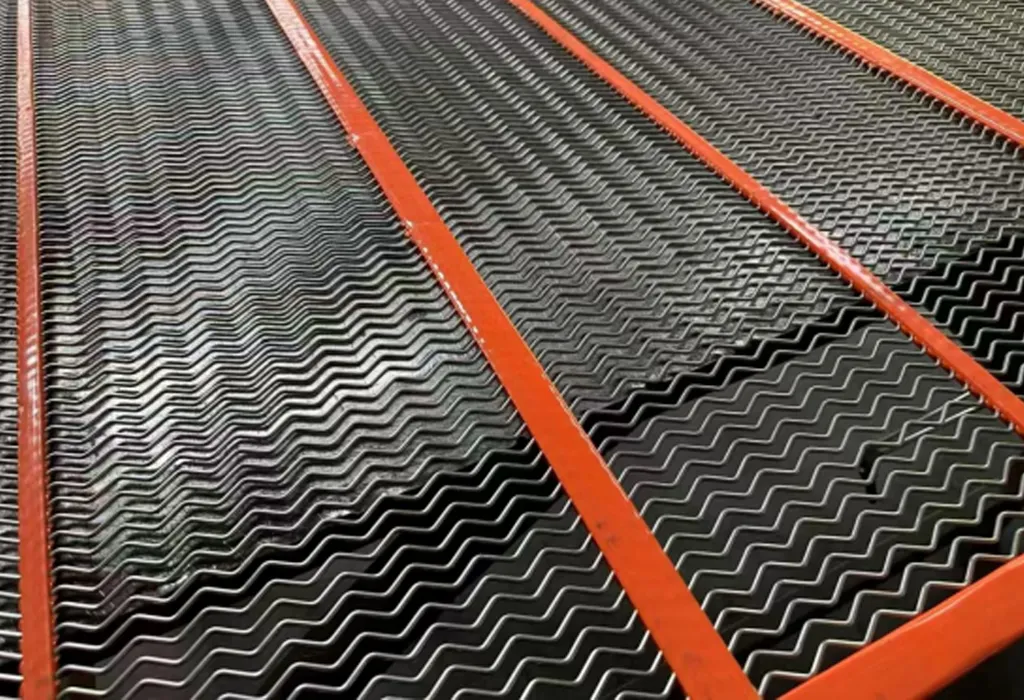
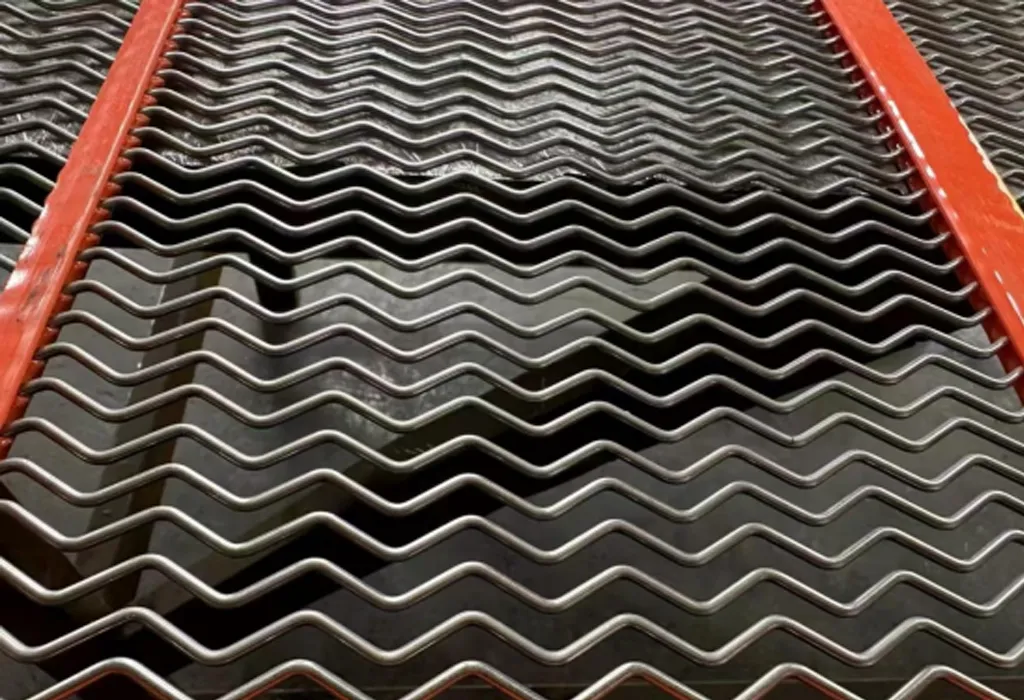
- Multiple Opening Shapes — Diamond, double wire diamond, triangle, wave, and harp patterns suit different material types and screening requirements.
- Wire Cluster Bonding Option — Grouped wire clusters provide additional rigidity for heavy-duty applications while maintaining the self-cleaning effect.
- 9 Standard Hook Types — Our self-cleaning screen panels fit all major vibrating screen brands. Custom hook configurations are available for OEM orders.
- Reduced Downtime — The anti-blinding action keeps apertures clear during operation. This reduces the need for manual cleaning and production stoppages.
- Factory-Direct Quality Control — ISO 9001 certified production with tensile testing on every PU bond joint.
Technical Specifications for Self-Cleaning Screen Panels
| Attribute | Specification |
|---|---|
| Bonding Type | PU strip bonded, wire cluster bonded |
| Openings (PU Strip) | Diamond 1.5-101.6mm, Triangle 0.5-50.8mm, Wave 1.5-50.8mm, Harp custom |
| Openings (Wire Cluster) | Diamond, triangle, harp patterns with grouped wire construction |
| Double Wire Diamond | 28.6-101.6mm, eliminates popcorn effect for high impact/oversize |
| Wire Material | High-carbon steel, 65Mn spring steel, SS304, SS316 stainless steel |
| PU Material | Premium polyurethane, Shore A 80-95 hardness |
| Hook Types | 9 standard types (Type 1-9), both hooks down/up, one up one down |
| PU Overlap Option | Available for apertures ≤ 9.5mm to prevent cross-contamination |
Self-Cleaning Screen Panel Opening Types
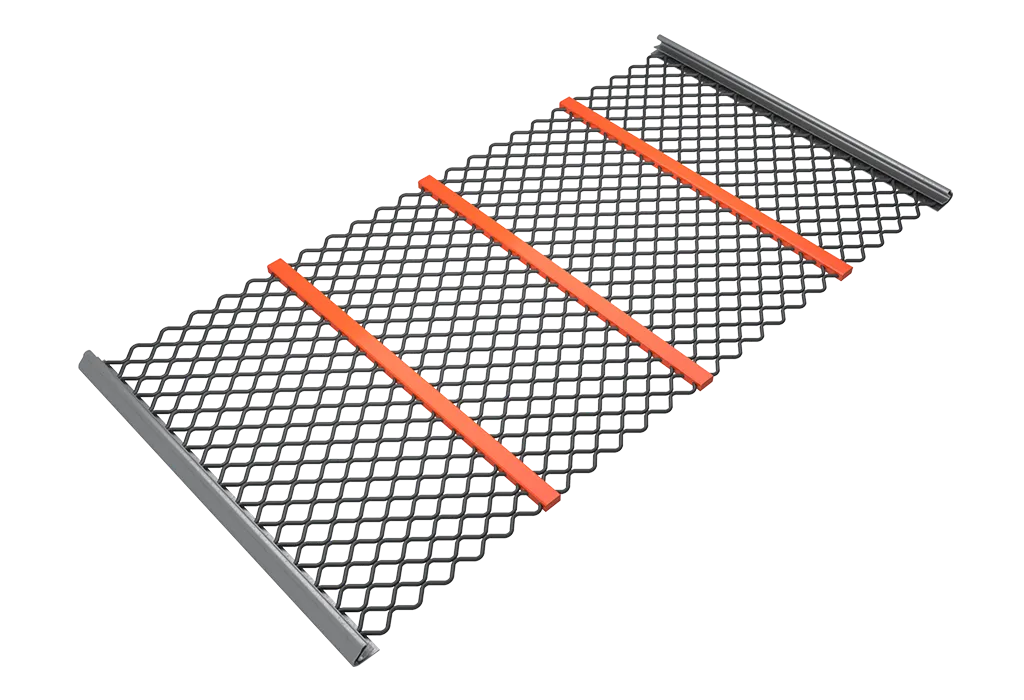
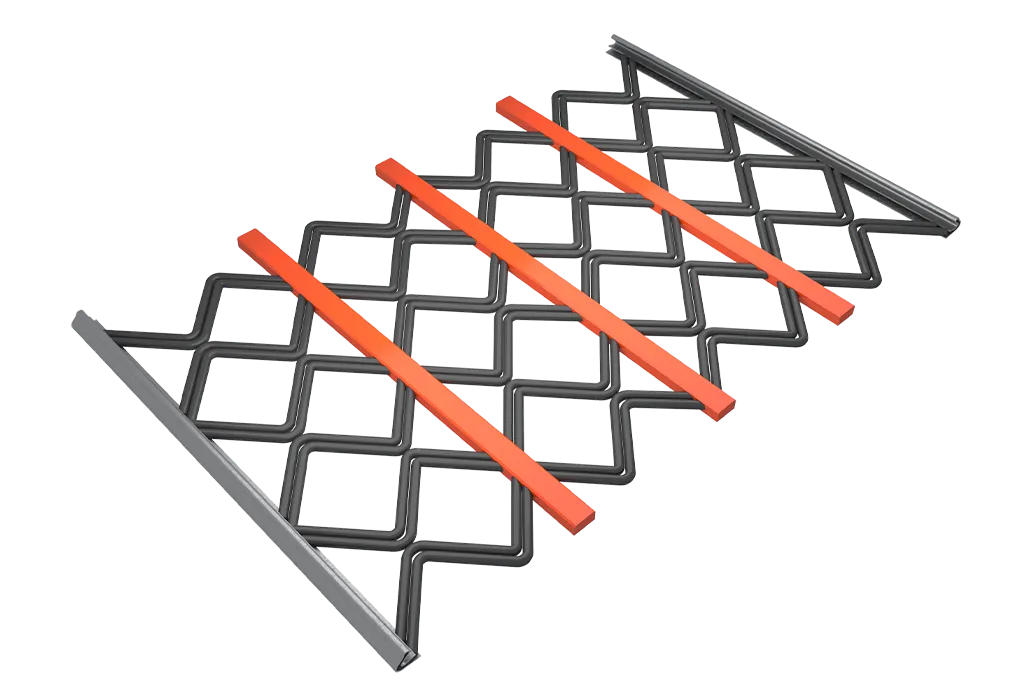
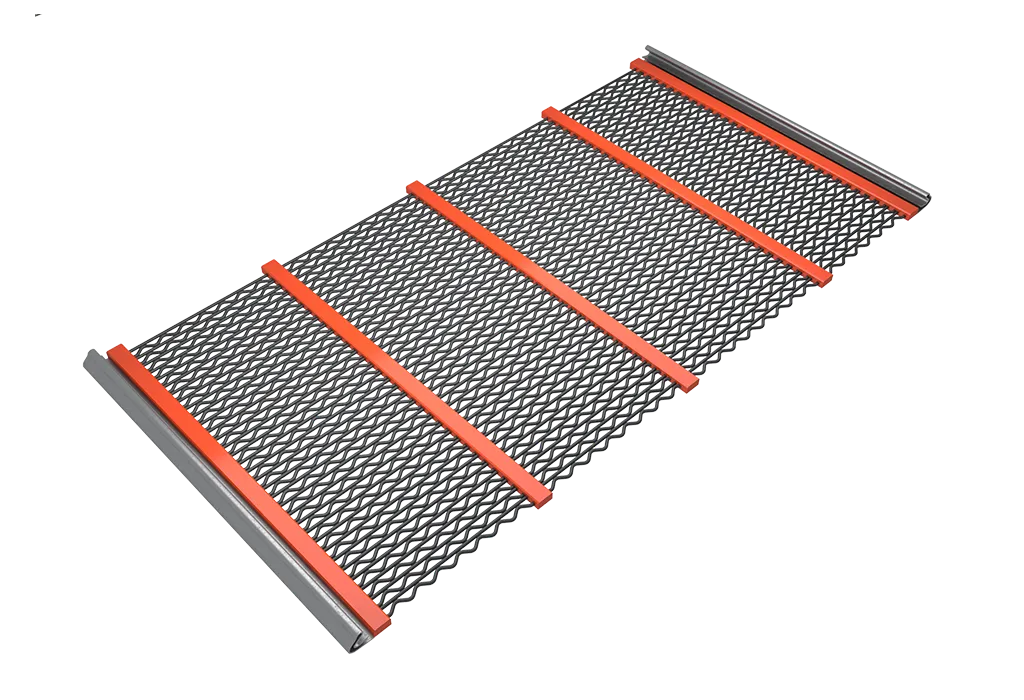
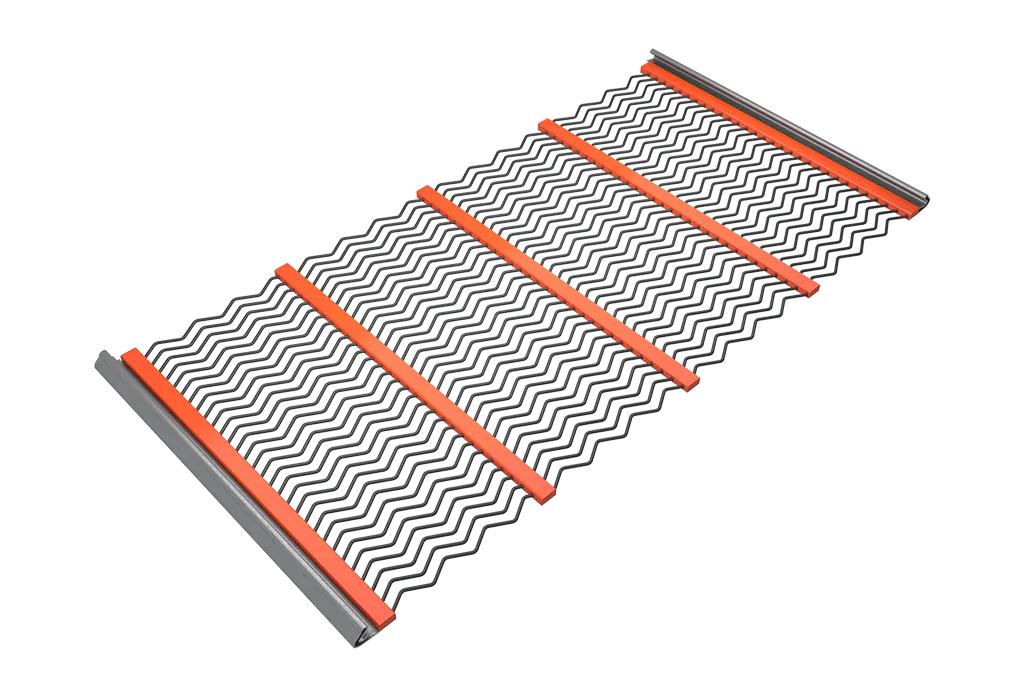
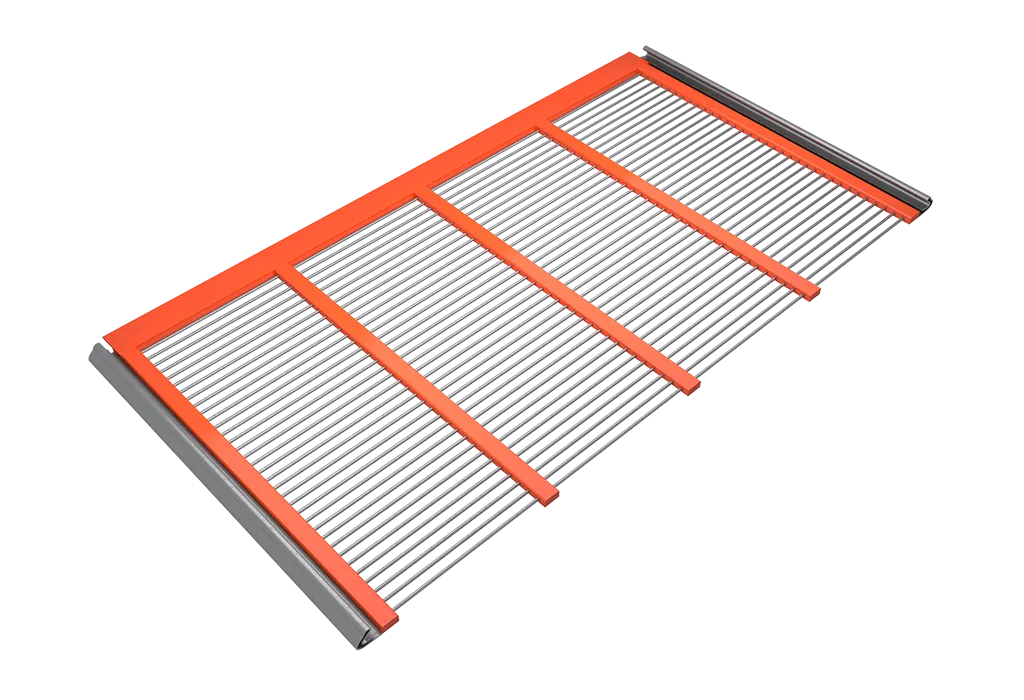
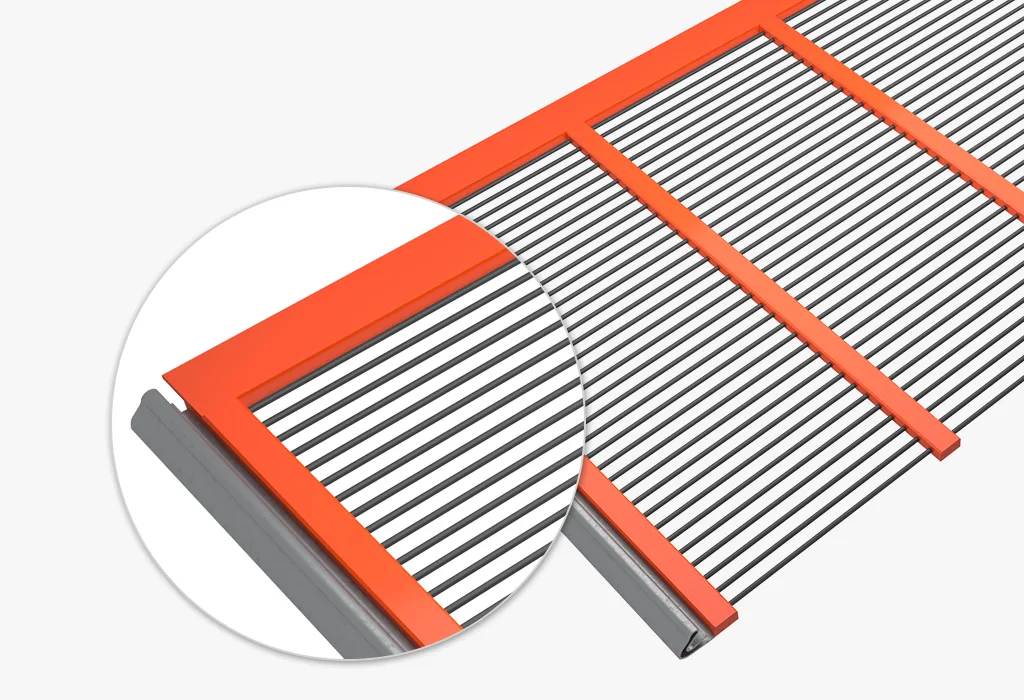
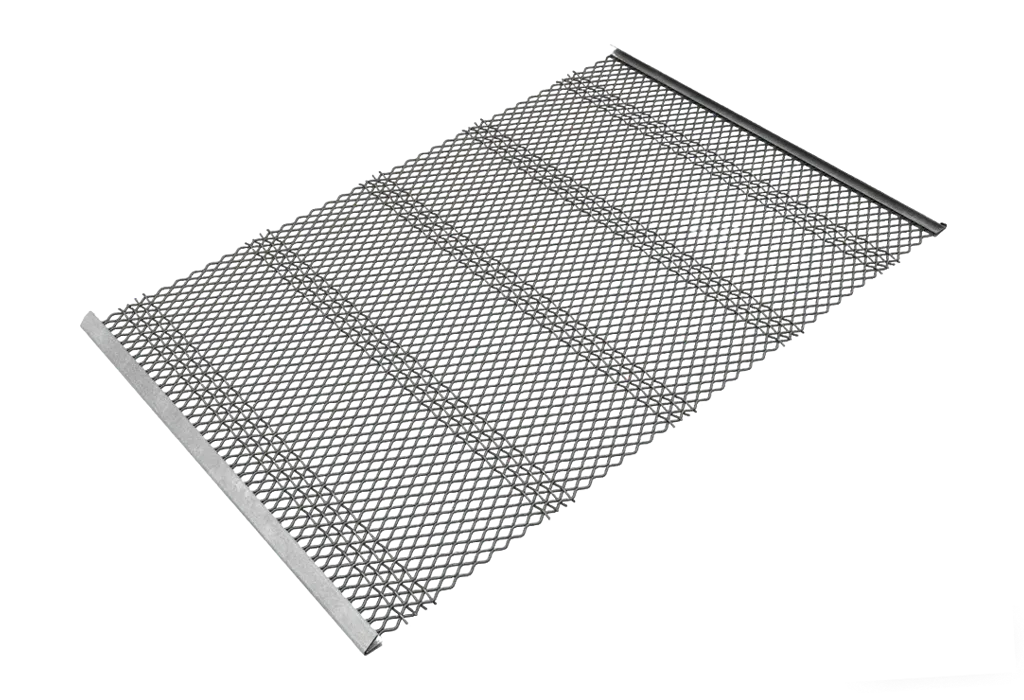
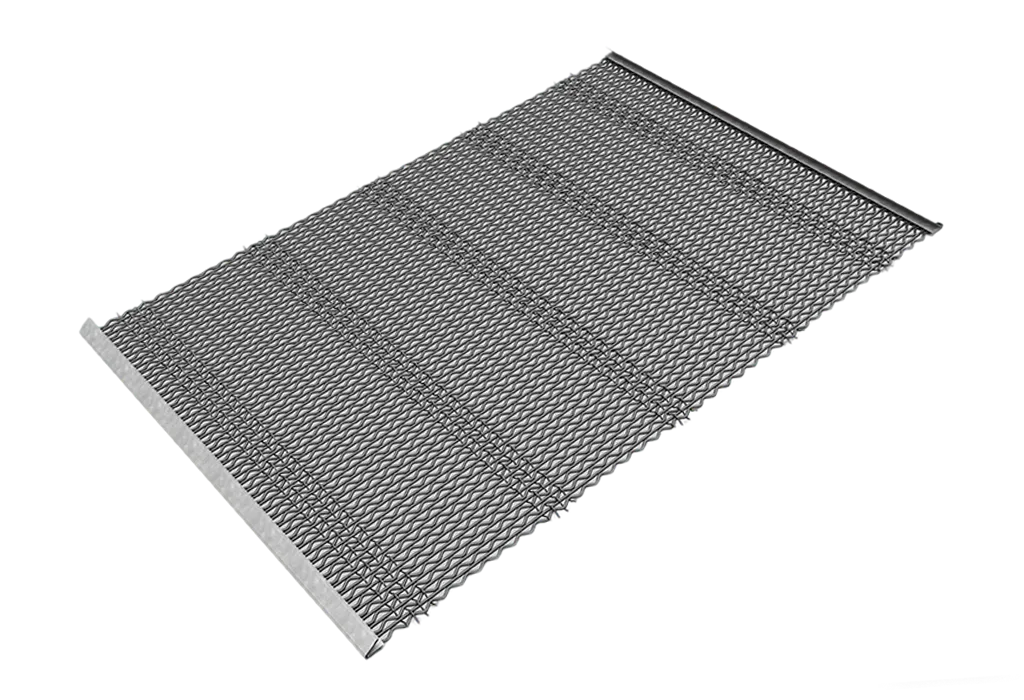
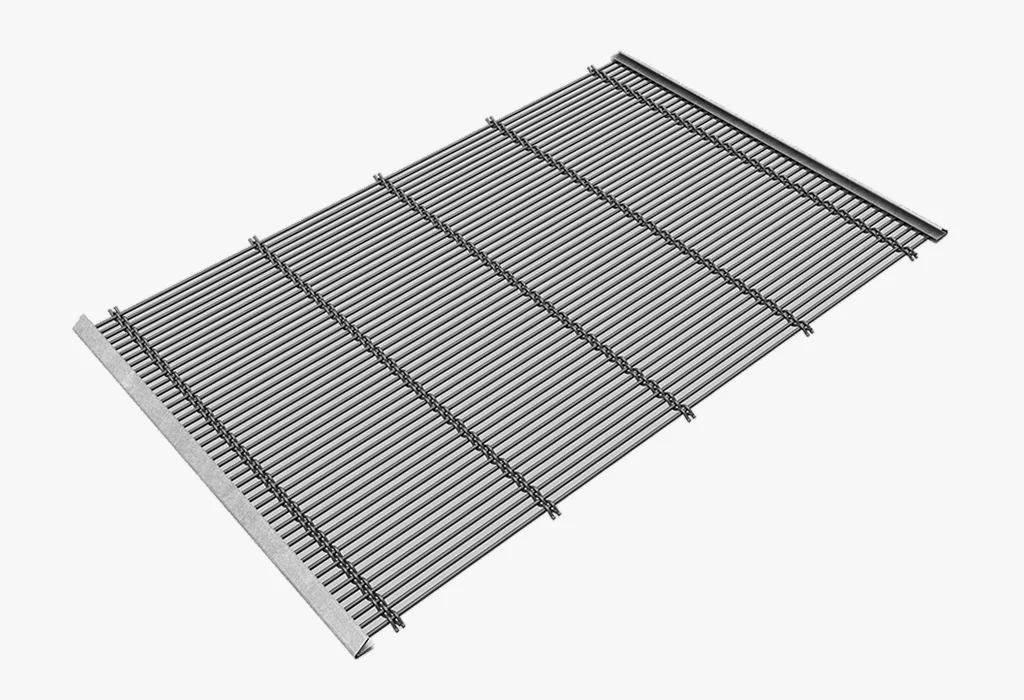
Diamond Opening
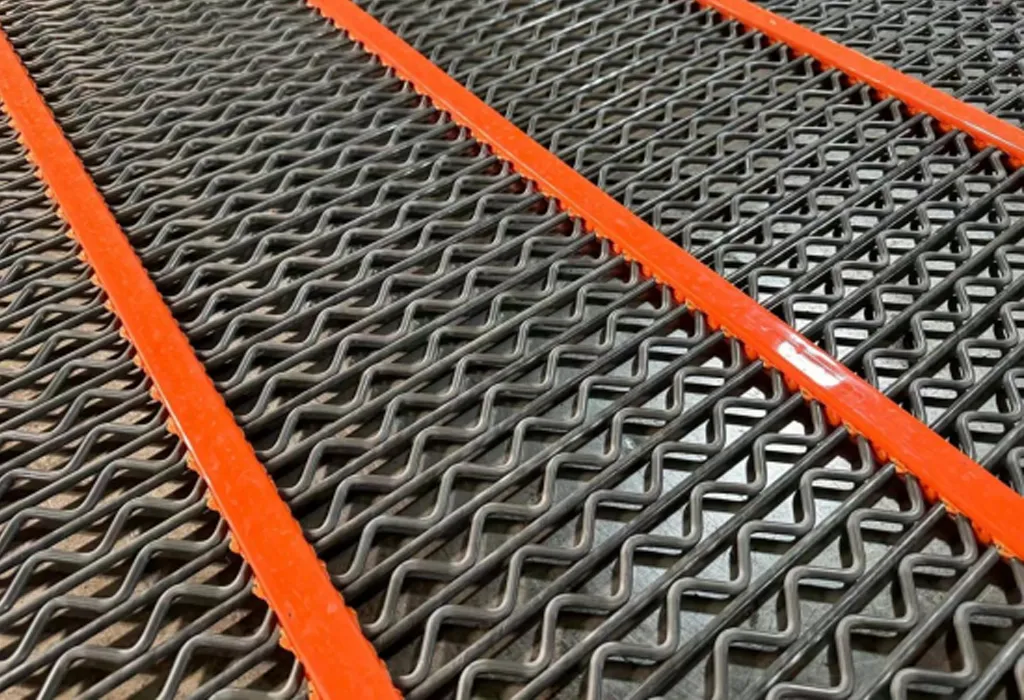
The standard and most versatile opening shape for self-cleaning screen panels. Diamond openings provide precise particle sizing from 1.5mm to 101.6mm. This pattern suits general aggregate screening applications. The diamond shape offers the best balance of open area and structural integrity.
Double Wire Diamond
Our double wire diamond self-cleaning screen panel uses paired wires for each opening boundary. This design eliminates the popcorn effect when screening oversize material. Double wire construction handles high-impact loads on primary screening decks. Available for openings from 28.6mm to 101.6mm.
Triangle Opening
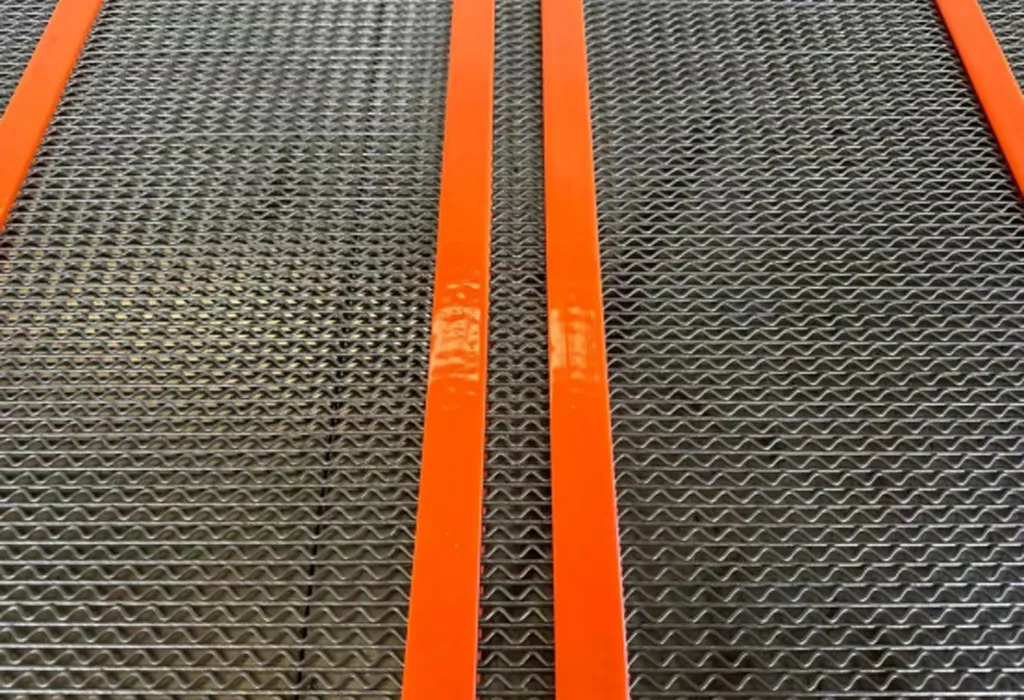
Triangle opening self-cleaning screen panels serve fine screening applications. The tapered opening shape allows particles to pass through progressively. This design reduces blinding risk for fine materials from 0.5mm to 50.8mm. Triangle openings make an excellent replacement for fine-mesh woven wire in sticky conditions.
Wave Opening
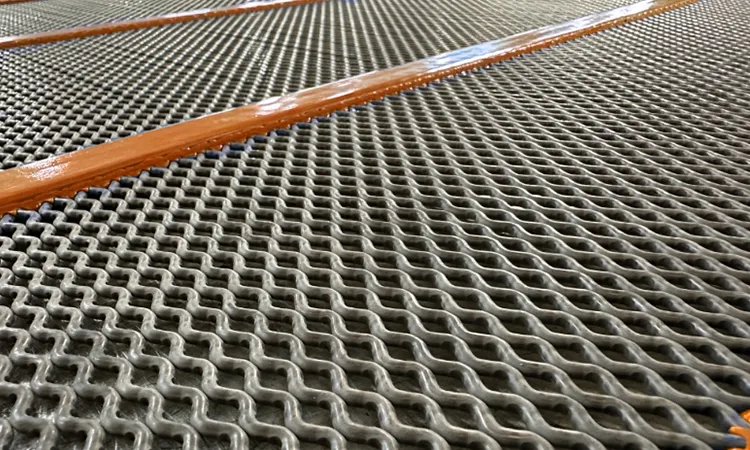
Wave pattern self-cleaning screen panels maximize open area for high-capacity screening. The wave shape suits round and cubicle particles. This design delivers the highest throughput among our PU strip bonded options. Available for openings from 1.5mm to 50.8mm.
Harp Screen
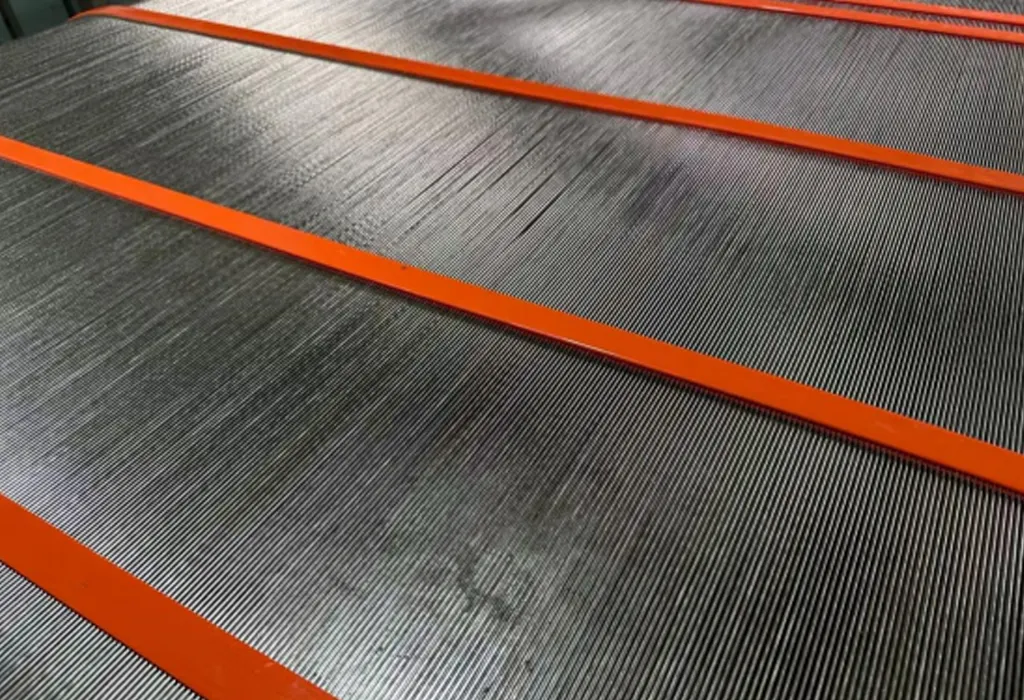
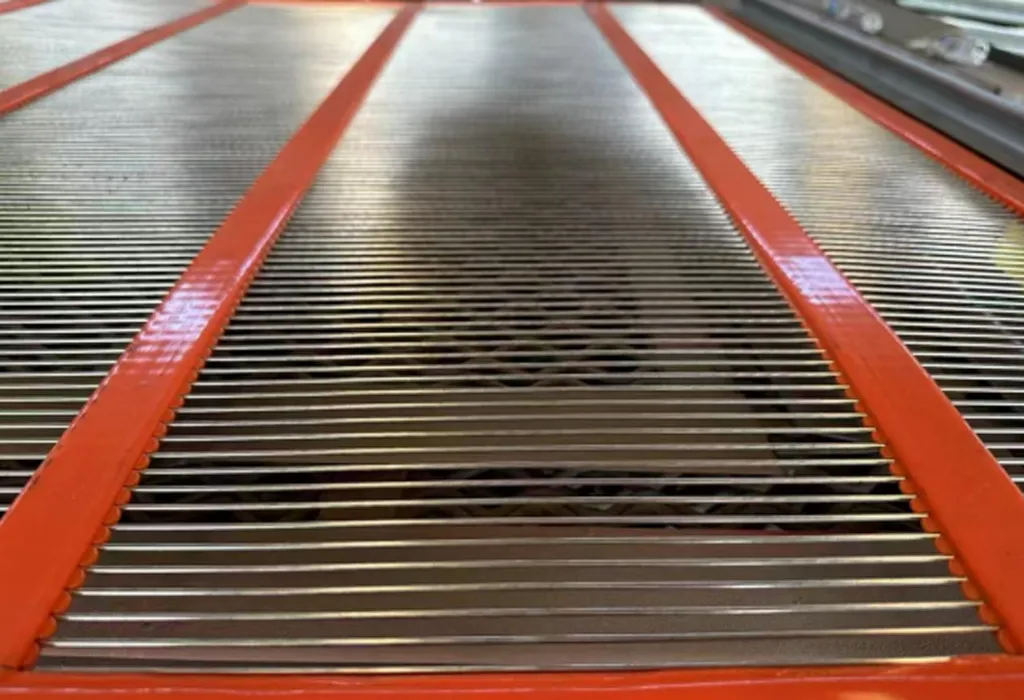
Harp-type self-cleaning screen panels provide maximum open area. The parallel wire arrangement achieves the highest throughput rates. These panels excel at removing sand and fines from oversize fractions. Custom wire spacing is available for your specific separation requirements.
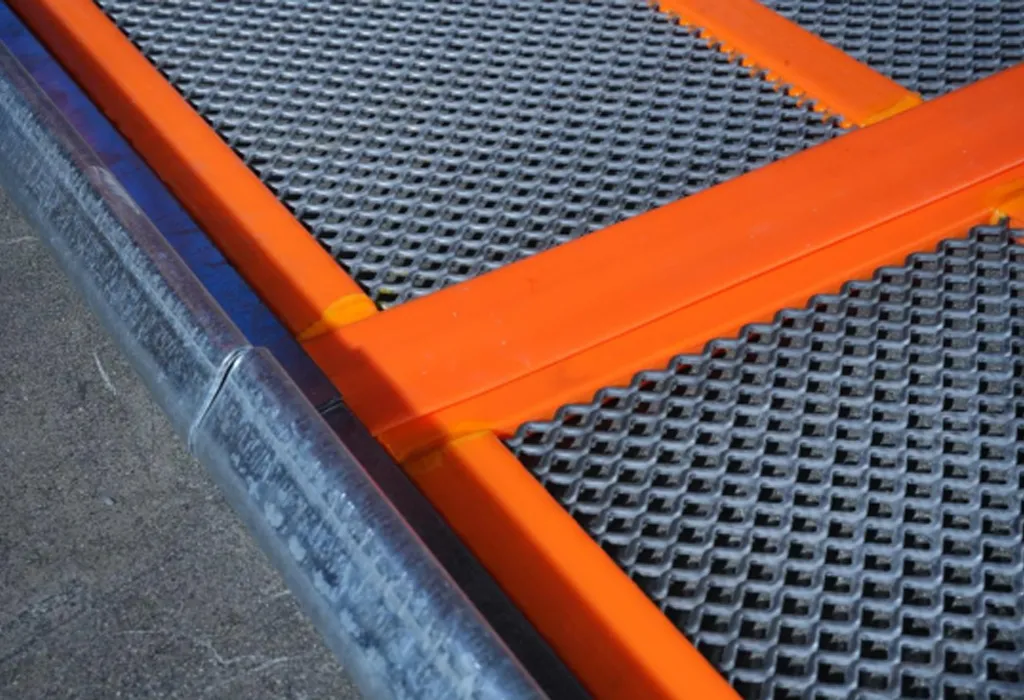
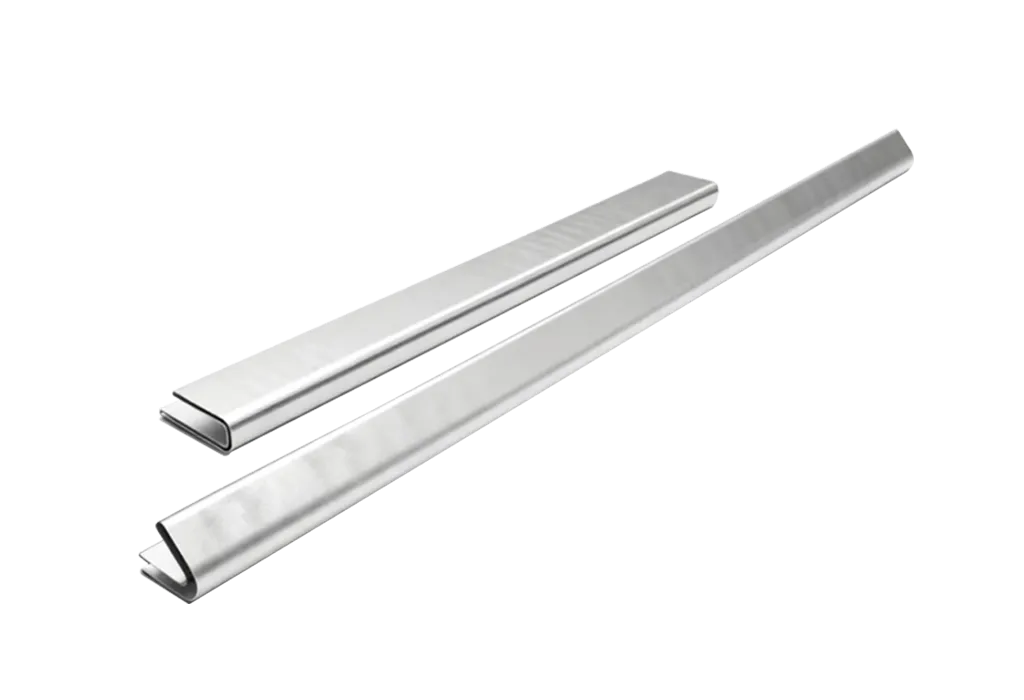
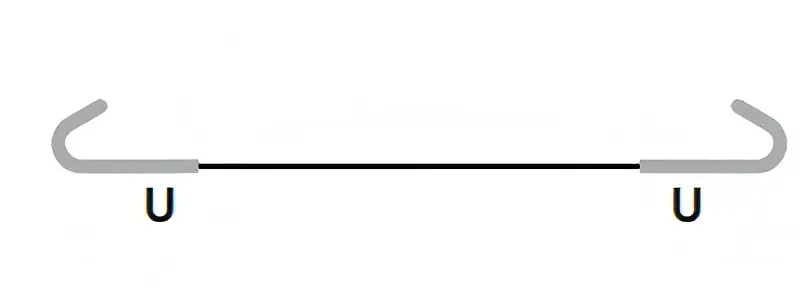
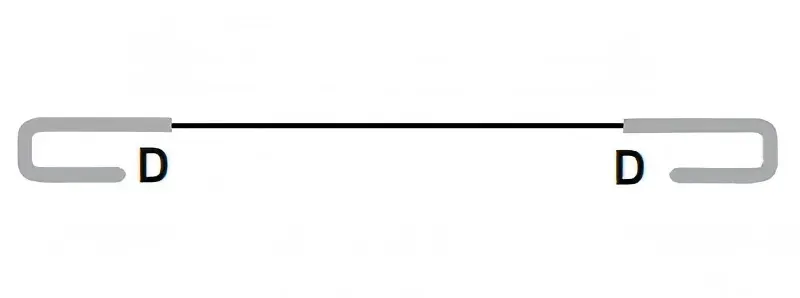
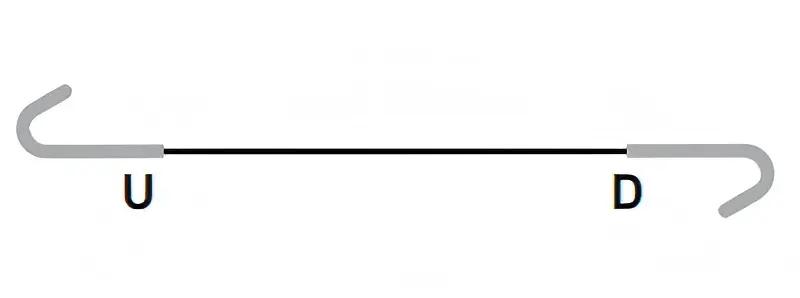
The hook style of a self-cleaning screen affects how the screen is installed, tensioned, and secured on the machine. Choosing the right hook style helps ensure proper fit, stable tension, and longer service life during operation.
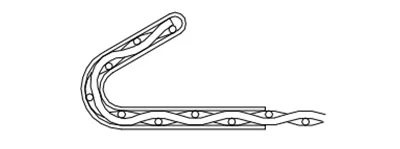
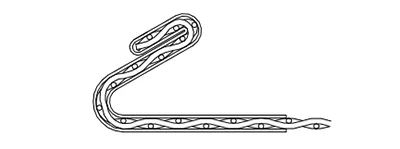
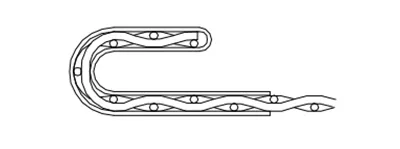
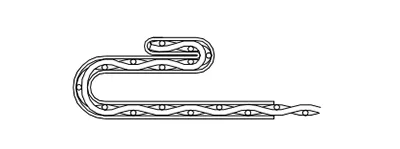
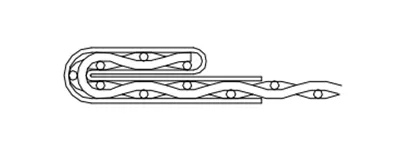
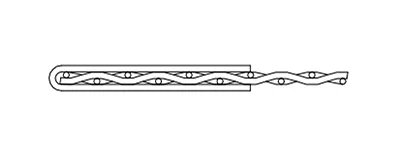
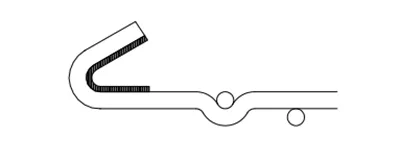
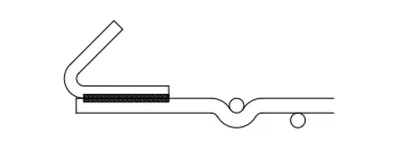
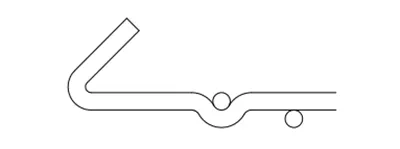
Hook direction refers to the orientation of the hooks in relation to the screen panel and the machine tensioning system. The correct hook direction is important for smooth installation and proper tension across the screen surface.
Applications of Self-Cleaning Screen Panels
Sticky and Wet Material Screening
Our self-cleaning screen panels handle clay-contaminated aggregates, wet sand, and high-moisture materials that blind traditional mesh. The independent wire action keeps apertures clear in continuous wet screening operations. Mining operations use these panels for damp ore classification and dewatering.
Near-Size and Difficult Materials
Materials close to the aperture size create the highest blinding risk. Our self-cleaning technology actively ejects these near-size particles. Recycling facilities use our panels for crushed concrete and asphalt screening. Construction debris with irregular shapes passes efficiently through the self-cleaning openings.
Fine Screening Replacement
Triangle opening self-cleaning screen panels replace fine-mesh woven wire in applications prone to blinding. The vibrating wire structure eliminates the flat surface that traps fine particles. Processors of fine sand, mineral powders, and industrial chemicals benefit from consistent fine screening performance.
Quality Assurance
ABX Metal tests every self-cleaning screen panel for PU bond strength, wire tension uniformity, and dimensional accuracy. Our ISO 9001 certified factory uses calibrated tensile testers for bond joint verification. We maintain detailed production records for full traceability. Export orders include inspection certificates and material documentation.
Packing & Shipping
Self-cleaning screen panels pack in wooden crates with protective layers between panels. We label each panel with opening type, size, and hook specifications. Standard lead time is 12-18 working days. Our export team handles sea freight, air freight, and customs clearance for worldwide delivery.
How does a self-cleaning screen panel prevent clogging?
The independent wires bonded by polyurethane strips vibrate at different frequencies. Each wire moves freely against adjacent wires. This movement creates a scrubbing action that ejects trapped particles from the openings. The design uses no external power source for this cleaning effect.
What is the difference between PU strip bonded and wire cluster bonded?
PU strip bonding uses polyurethane strips to connect individual wires. This provides maximum flexibility and self-cleaning action. Wire cluster bonding groups multiple wires together for added rigidity. Choose wire cluster bonding for heavy-duty applications with large, high-impact materials.
Can self-cleaning screen panels replace my existing woven wire mesh?
Yes. Our self-cleaning screen panels replace standard woven wire mesh on most vibrating screens. We match hook dimensions and panel sizes to your existing equipment. As a direct manufacturer, we produce panels to your exact specifications for a direct drop-in replacement.
What is the typical service life compared to woven wire mesh?
In applications with sticky or near-size materials, self-cleaning screen panels typically last 2-3 times longer than woven wire mesh. The PU bonding absorbs impact energy. The anti-blinding action prevents premature wear from material build-up. Actual service life depends on material abrasiveness and operating conditions.
Reviews
There are no reviews yet.